Good Health Matters
August 2025
Family Health This Summer
The summer holidays are in full swing and it’s the season for outdoor family fun. Whether you’re heading away on holiday or seeking adventures nearer to home, check out this month’s guide on ways to reduce the symptoms of hayfever – the spoiler of summer for many people!
In addition, we take a look at common musculoskeletal conditions in children, so if your young one has been complaining of aches and pains, take a look at our guide.
And don’t forget, we’re always on hand to help – if you have any concerns, just book an appointment.
Enjoy reading!

Natural Relief from Hayfever
Did you know that osteopathy can ease the symptoms of hayfever and other allergies?
Allergic reactions like hayfever are the body’s immune response in overdrive, leading to inflammation and fluid retention. The result for sufferers is streaming eyes and nose and inflamed mucous membranes.
But osteopaths can gently stimulate the lymphatic system through the application of pressure and stroking movements at specific points. This is ideal for clearing waste products and reducing swelling in your nasal passages and sinuses.
Alongside this, easing fascial restrictions and diaphragm tension positively influences the autonomic nervous system – key in allergic responses. A more balanced nervous system often leads to a less exaggerated reaction to allergens.
As osteopaths, we work with your body’s own mechanisms to enhance physiological function, which can reduce both the severity and frequency of hayfever episodes. Patients report improved breathing, reduced sinus pressure and better resilience to environmental allergens.
If you’re looking for a natural way to ease your hayfever symptoms, look no further! Book your osteopathy appointment today!
Children’s Health

Just like adults, children can experience aches and pains from time to time. They often bounce back quickly from minor sprains or muscle pulls, but when should we be more concerned?
Children’s bodies must adapt as they grow, coping with new pressures such as carrying school bags, playing sport and sitting in the classroom. Sometimes these pressures lead to ongoing pain – but the good news is that a little intervention can make all the difference.
Understanding how to support healthy growth and development in your child can prevent issues arising. For example:
- Schoolbags: should be no more than 10% of body weight when loaded. Encourage your child to carry the bag using both shoulder straps. Get them into the habit of repacking the bag regularly, so they’re only carrying what they need.
- Desks: make sure your child has a suitable space at home for study. A supportive chair, a stool or pile of books to support dangling feet, a computer at the right height (the top of the screen should be roughly at eye level) or an angled book rest for reading can reduce postural strain on the back and neck. In addition, ensure your child takes a break regularly: a stretch every 20 minutes is ideal.
- Activity: make sure your child is getting enough physical exercise. Sport and activity are vital to support and strengthen growing bones and muscles and to develop coordination. Aim for an hour a day, but it doesn’t need to be all at once. A brisk walk to school, playground or sports sessions, active games at home or out with friends all count. Even technology, such as dance or fitness games on the console, add to the total.
- Sleep: crucial for healthy physical and mental development, create the right environment for your child to get adequate sleep. A cool (16°C to 20°C), calm, dark room with a bed that’s supportive and comfortable are good first steps. Children over two years should have a pillow that supports their neck. Children aged 3 to 5 need 10–13 hours’ sleep, 6 to12-year-olds need 9–12 hours, and teenagers should get 8–10 hours a night.
Of course, sometimes your child may need a little extra help. Our team can guide, advise and support with any worries or niggles your child may experience.
Beyond treating strains, sprains and injuries, we can check for conditions common in children, such as:
- Osgood-Schlatter or Sever’s disease: often thought of as ‘growing pains’, these conditions develop in the knee and heel as the strengthening muscles pull on immature bone, causing aching and bone spurs. A programme of targeted stretching and strengthening from a qualified osteopath or physiotherapist can help manage the symptoms.
- Scoliosis: commonly developing through the teenage years, you may notice an idiopathic scoliosis because of uneven hips or shoulders, ribs prominent on one side on bending forward, or clothes hanging improperly. Scoliosis can also cause back pain. We can provide support, ease symptoms, and monitor progress.
- Hip pain: in children and adolescents, hip pain can be caused by conditions such as transient synovitis (‘irritable hip’), Perthes’ disease, slipped capital femoral epiphysis (SCFE), or forms of arthritis. Some causes are more serious than others. Our team can determine the underlying cause and provide treatment and support, and refer you to your doctor, where necessary.
Young bodies are resilient and typically heal quickly and well. If they have severe, worsening or persistent pain, pain that bothers them at night, or signs of being generally unwell, it’s best to seek medical advice. But in most cases, our expert team at GHC can provide help, support and advice – so if you’re worrying about your child, bring them in for a check-up and get the reassurance you need.
Good Health Centre News

This is our wonderful receptionist, Harriet, who has recently graduated with an MA in Popular Music and Culture. We’re hoping she might share some of her insight into the best upcoming bands!
Congratulations, Harriet, from all of us at GHC!
The Wellness Edit
Self-help Tips for Hayfever Sufferers
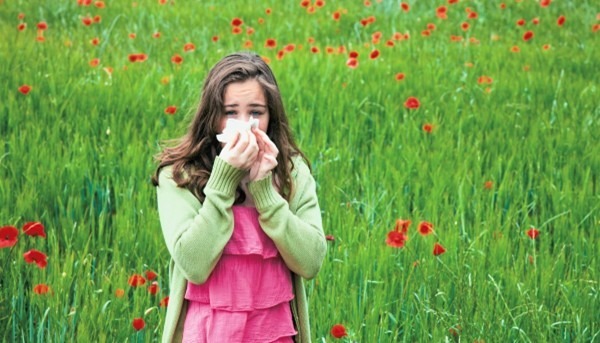
There are a number of self-help remedies that can significantly reduce your discomfort and improve your quality of life during pollen season. Here are some of our top suggestions:
- Pollen avoidance strategies:
- Monitor pollen counts:check local pollen forecasts daily, available from the Met Office. On high pollen days, try to stay indoors, especially during the early morning and early evening when pollen counts are typically highest.
- Create a “pollen-free zone” at home:keep windows and doors shut, particularly in your bedroom. Consider using a HEPA (High-Efficiency Particulate Air) filter in your vacuum cleaner and for your air conditioning unit to trap airborne allergens.
- Minimise outdoor pollen exposure:
- Apply petroleum jelly (like Vaseline) around the inside of your nostrils to trap pollen before it enters your nasal passages.
- Wear wraparound sunglasses to protect your eyes from airborne pollen. A wide-brimmed hat can also help.
- Shower and change your clothes immediately after coming indoors, especially if you’ve been outside for a significant period. Pollen can cling to your hair and clothing.
- Avoid drying laundry outside, as pollen can stick to it. Try using an indoor drying rack or tumble dryer instead.
- If you have pets that go outdoors, gently wipe them down with a damp cloth to remove pollen from their fur before they come inside.
- Limit activities that disturb pollen, such as mowing the lawn or raking leaves.
- Nasal and eye care:
- Saline nasal rinses:regularly rinsing your nasal passages with a saline solution (using a neti pot or squeeze bottle) can be incredibly effective. This helps flush out pollen, mucus, and other irritants, reducing congestion and inflammation. Ensure you use distilled, sterile, or previously boiled and cooled water. Find out how to flush safely here.
- Cold compresses for eyes:for itchy, watery, and swollen eyes, a cold compress can provide immediate soothing relief. Simply apply a clean cloth soaked in cold water (or even a bag of frozen peas wrapped in a cloth) to your closed eyelids for 5-10 minutes.
- Eye drops:over-the-counter hay fever eye drops can help to relieve redness and itchiness. Look for options specifically designed for allergies.
- Dietary tips:
- Stay hydrated:drinking plenty of water is essential. Dehydration can sometimes make allergy symptoms feel worse.
- Anti-inflammatory foods:incorporate foods rich in anti-inflammatory compounds. Examples include:
- Quercetin:found in apples, berries, onions, citrus fruits, and leafy greens. Quercetin is believed to have natural antihistamine properties.
- Vitamin C:a powerful antioxidant that may help reduce histamine levels. Found in citrus fruits, peppers, broccoli, and leafy greens.
- Omega-3 Fatty Acids:found in oily fish (salmon, mackerel, herring), flaxseeds, and chia seeds, these can help reduce overall inflammation.
- Herbal teas:some herbal teas, such as nettle tea and chamomile tea, are thought to have anti-inflammatory and soothing properties.
- Honey:some people find consuming local honey, from bees that feed on the nearby flora, can help build a tolerance to local pollen over time.
- Other helpful tips:
- Steam inhalation:inhaling steam from a bowl of hot water can help loosen mucus and clear blocked nasal passages. You can add a few drops of eucalyptus or peppermint essential oil (though be cautious with essential oils, especially if you have sensitive skin or respiratory conditions).
- Spicy foods:If you’re experiencing a stuffy nose, spicy foods can sometimes help to clear congestion, albeit temporarily.
Clinic Opening Times
We offer appointments from 8am to 7pm or 7:30pm on weekdays, except Tuesday when we open late till 9pm. And on Saturdays we’re here from 9am to 4pm. Here is a handy reminder of our opening hours:
| MONDAY | 8am to 7pm |
| TUESDAY | 8am to 9pm |
| WEDNESDAY | 8am to 7pm |
| THURSDAY | 8am to 7:30pm |
| FRIDAY | 8am to 7pm |
| SATURDAY | 9am to 4pm |
| SUNDAY | CLOSED |