Good Health Matters
February 2026
As we move into 2026, we take a look at some ways we can support your health. First, we do a dive into the phenomenon of leg pain that arises with exercise or activity. This issue can result from a lot of causes, so a careful analysis is required. Secondly, we take a tour of the Mummy MOT, a specialised in-depth health assessment for mums, new and old. Finally, we introduce you to the ways that health and wellness are shifting into 2026 (and, yes, AI plays a part!)
Enjoy reading!
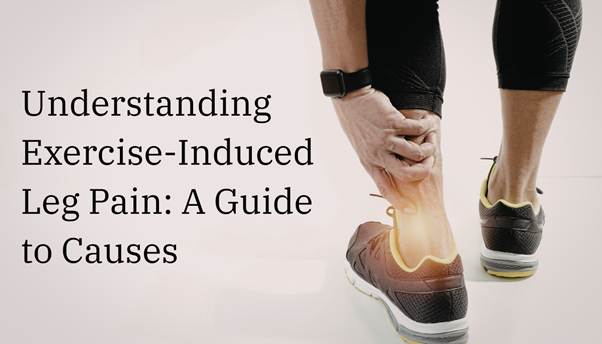
If exercise triggers pain in your thigh, shin, or calf – rather than your joints – the cause could involve muscles, bones, nerves, or blood vessels. Understanding the root cause is the first step toward effective rehabilitation.
Muscle and Bone Issues
1. Tibial stress fracture
A tiny crack in the bone caused by repetitive stress.
- Symptoms: Sharp, pinpoint pain in one specific spot on the shin. It intensifies quickly with impact and may throb at night.
- The test: If you can locate a single, excruciating spot by pressing one finger directly on the bone, it is likely to be a fracture.
2. Medial tibial stress syndrome (shin splints)
Inflammation where muscles attach to the shin bone.
- Symptoms: A diffuse, tender ache along a vertical band (3–6cm) on the inner shin.
- The difference: Unlike a fracture, the pain is more widespread. It often ‘warms up’ during exercise but feels stiff the next morning.
3. Chronic exertional compartment syndrome
A pressure issue within the muscle’s fascial casing due to overuse.
- Symptoms: Intense tightness or a ‘bursting’ sensation in one or both lower legs during activity. The pain vanishes almost immediately once you stop moving.
There is also acute compartment syndrome, but this is usually related to a severe trauma affecting the leg. This might be a road accident, a fall from a height, a fracture, post-surgical complications, a crushing injury, or wearing a splint or brace that’s too tight for a prolonged period. It comes on quickly and is a medical emergency, so attend A&E if you’re concerned.
Nerve and Spine-Related Pain
4. Nerve entrapment & sciatica
Pain often stems from the nerves in the lower back or in the legs being squeezed.
- Peripheral entrapment: Causes “pins and needles” or “foot drop,” where the foot feels heavy, causing you to trip.
Foot drop has several causes that can also be due to issues in the spine or central nervous system, so be sure to get checked if you experience this. - Sciatica (lumbar radiculopathy): Shooting pain or numbness radiating from the buttock down to the foot. While exercise can aggravate it, symptoms often persist during rest.
5. Neurogenic claudication (spinal pressure)
- Symptoms: Walking brings on heavy aching or weakness in both legs.
- The relief: Standing still isn’t enough; you feel a desperate need to sit down or lean forward (the ‘shopping trolley’ position) to open up spinal space.
Vascular Causes
6. Vascular Claudication
- Symptoms: A predictable, ‘clamping’ cramp in the calves that begins after a certain amount of exertion.
- The relief: Pain stops quickly upon standing still. In younger, fit individuals, this may be Popliteal Artery Entrapment, where a muscle pinches the artery.
Red Flags: When to See a Doctor
While most leg pain can be resolved with physiotherapy, seek urgent medical attention if you experience:
- DVT signs: Heat, redness, and swelling in only one calf.
- Night pain: Severe pain that wakes you while you are in bed.
- Loss of control: Sudden bladder or bowel changes alongside leg pain.
Specialist Diagnosis at GHC
Don’t push through the pain. Many of these conditions require specific management to prevent long-term damage.
Our expert physiotherapists and osteopaths provide comprehensive examinations to diagnose the cause of your discomfort. We will provide a clear roadmap – whether that is a tailored rehabilitation plan to get you back to peak performance or a referral for medical intervention if required.
Concerned about leg pain? Book your assessment today.
The journey of childbirth – whether natural, assisted, or Caesarean – is a profound experience that can leave a lasting impact on the body. Even after initial wounds heal, many women face lingering complications such as scarring, altered posture and core weakness. While the standard NHS postnatal check at six to eight weeks is a vital screening for immediate recovery and medical safety, it often lacks the depth required for long-term functional rehabilitation.
What is the Mummy MOT?
The Mummy MOT is a comprehensive, hour-long specialist assessment designed to bridge the gap between basic medical clearance and a full return to physical health. It addresses the ‘silent’ symptoms many mothers assume are a permanent part of parenthood, such as pelvic pain, bladder leakage, and sexual dysfunction.
Crucially, this assessment is not just for those who had vaginal deliveries. Pregnancy itself places significant pressure on the pelvic floor; therefore, C-section recovery also benefits from evaluating scar tissue and restoring core strength.
Elements of the MOT
The MOT provides evaluation, treatment and rehabilitation guidance in several critical aspects of postnatal health:
- Diastasis Recti Recovery: Assessing the ‘tummy gap’ where abdominal muscles have separated.
- Pelvic Floor Health: an internal and external pelvic floor assessment of strength and tone.
- Biomechanics and Posture: Evaluating how you are moving, breathing and handling the new physical demands of motherhood, such as lifting and carrying.
- Scar Therapy: Releasing restricted scar tissue that may cause pulling sensations or discomfort.
Timing and accessibility
We recommend waiting 8–12 weeks post-delivery for a Mummy MOT. This allows hormones to begin stabilising and tissues to shrink naturally, providing a more accurate baseline for a bespoke rehabilitation plan.
However, a vital takeaway is that it can still help mothers a long time beyond delivery. Whether you gave birth three months or three years ago, unresolved issues in the pelvis and abdomen can be significantly improved with targeted treatment and corrective exercise.
When to Seek Urgent Help
While the Mummy MOT focuses on rehabilitation, it is important to recognise ‘red flag’ symptoms that require immediate medical intervention via a GP or A&E:
- Severe chest pain or breathing difficulties.
- Sudden swelling, heat, or redness in one calf (potential DVT).
- Severe headaches, vision changes, or fever.
- Heavy bleeding or passing large clots.
- Sudden changes in bladder or bowel control.
Reclaiming Your Confidence
The ultimate goal of a Mummy MOT is to help you move beyond simply ‘getting by’ and towards whole wellness. By identifying the root causes of discomforts such as pelvic heaviness or abdominal doming, our women’s health specialist can create a bespoke plan to help you regain your strength, mobility, and confidence.
Book your Mummy MOT here.
The Wellness Edit
The focus in wellness for 2026 has shifted away from influencer-led fads towards science-led, functional optimisation. We are moving into an era of ‘personalised health’, where mass trends are replaced by data-driven insights. Here are a few things to look out for in 2026:
1. Data-driven personalisation
Rather than using generic advice, we’re seeing a shift towards the use of agentic AI tools, which can monitor our bodies in real-time. The rise of generative AI health coaches (being introduced into wearable tech such as your Apple FitBit or Garmin watch) will do more than monitor your stats – you’ll have a ‘health concierge’ advising you on health matters from workout plans to medical interventions.
2. Futureproofing over aesthetics
Time to ditch the quick-fix diets and slavery to the scales: the real health goal is longevity. There’s a powerful shift towards body composition, rather than weight loss, with resistance training in prime focus to avoid frailty as we age. We’re no longer training for a summer body – we’re training for our 80s.
3. Taming inflammation
Body-wide inflammation has long been recognised as a modern-day health disaster and a precursor to many chronic diseases. By hacking into our body’s natural defence systems, we can fight back. A big trend for 2026 is vagus nerve stimulation. Achieved through methods such as cold plunges, improving gut health, breathwork, singing or meditation, it can reduce systemic inflammation and improve stress resilience.
Of course, here at GHC, we’ve never been interested in quick-fix health methodologies. Our passion has always been to help you achieve meaningful health changes through holistic and long-lasting practices. We’ll continue our mission through 2026, and we hope you’ll join us!
Clinic Opening Times
We offer appointments from 8am to 7pm or 7:30pm on weekdays, except Tuesday when we open late till 9pm. And on Saturdays we’re here from 9am to 4pm. Here is a handy reminder of our opening hours:
| MONDAY | 8am to 7pm |
| TUESDAY | 8am to 9pm |
| WEDNESDAY | 8am to 7pm |
| THURSDAY | 8am to 7:30pm |
| FRIDAY | 8am to 7pm |
| SATURDAY | 9am to 4pm |
| SUNDAY | CLOSED |