Good Health Matters
November 2025
Staying Well This Winter
Staying well in winter can be tricky. Colder temperatures and shorter days can bring challenges for health and wellbeing.
This month, then, we look at Raynaud’s phenomenon – a common complaint that becomes more prevalent in the cold weather. Plus, we talk about the physical demands affecting musicians, and we examine the concept of ‘intuitive exercise’ – a mindset that puts you in control.
Enjoy reading!
Why Do My Fingers Turn White? A Look at Raynaud’s Phenomenon
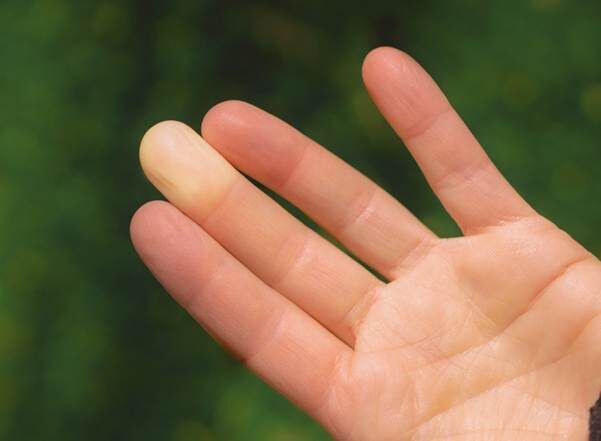
Ever found your fingertips turning white and numb in the colder months? You may be experiencing Raynaud’s phenomenon.
Our blood vessels normally constrict in the cold to conserve heat, but in Raynaud’s, there’s an overreaction, causing a temporary restriction of blood flow to the extremities (usually fingers or toes).
The digit turns pale (ischaemic), then sometimes blue (cyanotic), and you may have loss of sensation, before there’s a painful reddening as blood flow returns.
Raynaud’s is commonly triggered by cold and stress, so staying warm and managing your stress are the best self-help steps. It’s also a good idea to cut out smoking and limit stimulants, such as caffeine.
Did you know that your osteopath can also help reduce Raynaud’s symptoms? Osteopaths work with the circulation and sympathetic nervous system – the division that controls blood vessel constriction – to make sure they are working well.
Sometimes, their function can be impeded by physical restrictions, such as joint or muscle tension, or ‘stickiness’ that prevents their ability to slide between layers of tissue. By easing tightness and encouraging mobility, osteopaths can ‘unglue’ the system, boosting local circulation.
Interested? Check in with one of our osteopaths for more information and treatment.
Are You a Musical Athlete?

When we think of high-level physical performance, we typically imagine athletes and sportspeople. But there are other realms of activity that require strength, balance and endurance in a similar way. Musicians are a good example.
Between practice and performance, playing an instrument takes many hours of sustained posture and repetitive movement – and on top of that, you may be having to carry a heavy instrument around!
So, whether you’re a classical pianist or a rock drummer, take a few precautions to keep muscle strains, tendonitis and postural pain at bay.
- Warm up: take a few minutes to do stretches and mobility exercises. Focus on fingers, wrists, and shoulders, and include your neck and back. Dynamic stretches such as joint circles and spinal rotations are ideal. You may also want to work on other areas, depending on the demands of your instrument – for instance, drummers may wish to include cardio and core exercises, and wind musicians might include breathing exercises.
- Hydrate: fluid intake is just as important in music as in sport. Your body is working hard, and your muscles, joints and spinal discs need rehydrating. Think about fluid intake before a big performance or practice session, aiming for at least two-and-a-half litres of water a day in the run-up. Make sure you rehydrate fully afterwards, too – use an electrolyte drink if it’s been a sweaty session!
- Environment: think about furniture – are you comfortable and well-supported? What about the temperature – are you dressed appropriately, or sitting in a draught? Is there sufficient lighting so you’re not straining to read the music?
If you’re a musician struggling with pain, pins and needles, cramps or loss of dexterity, we can help you.
Our osteopaths and physiotherapists can assess and identify issues affecting your ability to play, and restore healthy movement, position and function.
You may also benefit from acupuncture to reduce strain, tension and trigger points, or shockwave therapy to rapidly alleviate tendonitis.
Book a session today and restore harmony to your musical life!
Good Health Centre News
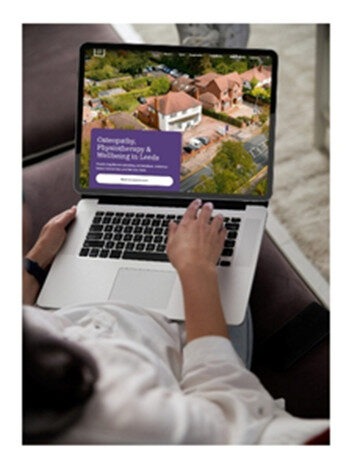
Check out our new online home!
If you haven’t dropped by yet, we’ve just relaunched our website! We’re really excited about the new design – we think it perfectly represents what we’re all about.
Go ahead and dive in! You can get all the details on our team, our therapies and the services we offer, plus you can book instantly.
We’d love to hear your feedback!
The Wellness Edit
Intuitive Exercise – Listening to Your Body
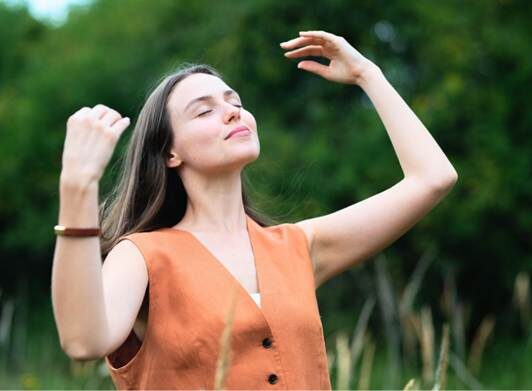
Do you have an all-or-nothing relationship with exercise? Do you start a new regime, only to give it up entirely when it becomes a struggle?
It might be time to try ‘intuitive exercise’. Rather than trying to stick to a prescriptive exercise routine that becomes too difficult, this approach encourages you to foster a more flexible relationship with exercise that allows you to pick and choose according to your needs at the time.
Research suggests externally driven exercise has a high dropout rate. Rather, using enjoyment as motivation and listening to your body to decide how to exercise can put you in control and keep you active when you might otherwise have quit.
The idea recognises that there’s not a ‘one-size-fits-all’ solution to exercise. Focusing on what drives you rather than a standardised schedule can take pressure off and let you create your own path.
For example, some days you may want to take part in a social class or club activity, while other days you may prefer a quiet morning swim or a walk in nature to reap the calming benefits.
Some people are very motivated by personal bests and challenges, while others like to focus on holistic wellbeing.
The key is to mix it up according to your needs and feelings in the moment. Be compassionate with yourself and do what you can manage. Any exercise is better than none, so be guided by your body and take control of your health.
Clinic Opening Times
We offer appointments from 8am to 7pm or 7:30pm on weekdays, except Tuesday when we open late till 9pm. And on Saturdays we’re here from 9am to 4pm. Here is a handy reminder of our opening hours:
| MONDAY | 8am to 7pm |
| TUESDAY | 8am to 9pm |
| WEDNESDAY | 8am to 7pm |
| THURSDAY | 8am to 7:30pm |
| FRIDAY | 8am to 7pm |
| SATURDAY | 9am to 4pm |
| SUNDAY | CLOSED |