Good Health Matters
March 2026
Spring is in the (sometimes chilly!) air, and with it comes a sense of rejuvenation. Our newsletter this month looks at simple ways you can rejuvenate, with a guide to developing your core strength – essential for all kinds of activity.
Plus, we take a look at jaw pain and the ways osteopathy can assess and treat this painful disorder.
Finally, we tackle plantar fasciitis, that stubborn form of foot pain that can bring all your springtime activities to a halt. Learn simple preventative measures and treatment options in this month’s Health Edit.
Enjoy reading!
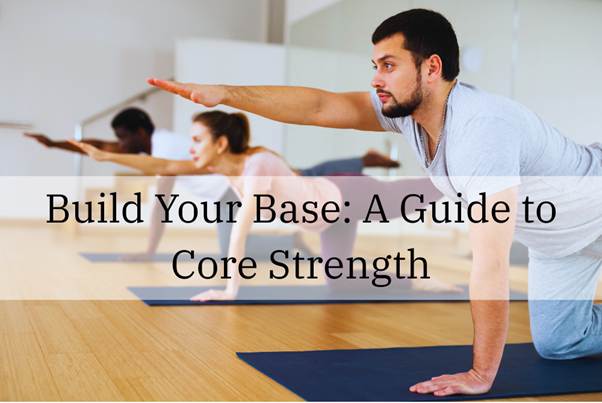
Your core is more than just abs – it includes muscles around your spine, hips, and pelvis, and it plays a vital role in stability, posture, and injury prevention.
Core strength is crucial because it forms the foundation for almost all movement in your body. It provides stability, protects your spine and helps transfer force from your upper to your lower body. A strong core is essential not just for athletes, but for everyday activities like bending, lifting and maintaining good posture.
Here are three simple, safe exercises you can try today:
1. Pelvic Tilts
Lie on your back with knees bent and feet flat. Tilt your pelvis back to flatten your lower back into the floor, hold for 5 seconds and release.
10 reps.
2. Dead Bug (Modified)
Lie on your back, arms up, knees bent at 90° with your feet in the air. Slowly lower one arm and the opposite leg toward the floor. Go as far as you can without your lower back lifting from the floor. Return and switch sides.
8–10 reps per side.
3. Bird Dog
On all fours, extend one arm and the opposite leg. Keep your hips level. Hold for a few seconds and return.
8 reps each side.
4. Modified Plank
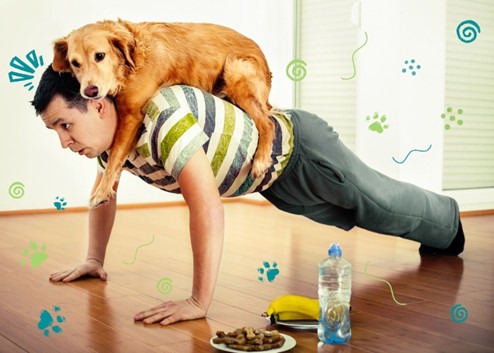
Support your body on your forearms and knees (instead of toes), keeping your back flat and core engaged in a straight line from head to knees. Hold the position for 20 seconds, then rest for 30–45 seconds
Repeat 3 times.
Aim to gradually build up to hold for two minutes. You can then progress to the full plank on forearms and toes (dog optional!)
Tip: Focus on slow, controlled movement rather than speed –it’s about stability, not sweat!
If you’re experiencing back pain, check in with our team of experts who can assess you and determine whether core stability exercises would help.
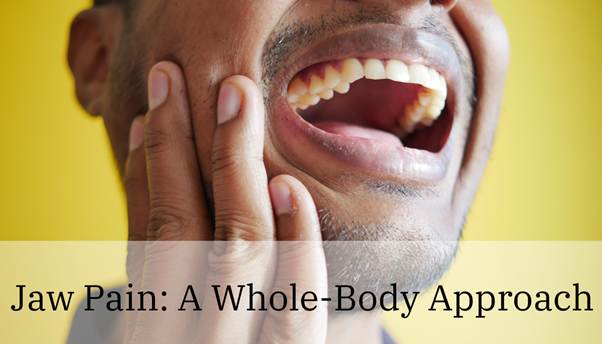
Jaw pain has a way of affecting almost every part of your day. When your temporomandibular joints (TMJ) get into a pickle, it’s rarely just a local issue. You may have clicking and grinding noises, pain that radiates into your face, head and neck, and even headaches and tinnitus. And beyond the discomfort, it takes the joy out of simple things, making eating a chore and talking a strain.
The ‘hanging’ joint
You might be surprised to learn that these small joints are often the final site of compensation for imbalances elsewhere in the body. Because the jaw essentially ‘hangs’ from the skull, even minor postural deviations can lead to misalignment, compression and chronic pain.
Osteopathic assessment
Our osteopaths use a whole-body approach to get to the root of your discomfort. When you visit us for jaw issues, we evaluate the jaw in context of how other parts of the body move and function:
- The upper neck: Issues here can irritate the nerves supplying the jaw, significantly amplifying your pain signals.
- Postural alignment: A ‘forward-head’ posture puts tension on the hyoid muscles under your chin, pulling the jaw back and compressing the delicate discs within the joint. Improving mobility in your upper back is often the key to normalising neck position.
- Breathing patterns: How we breathe matters. Stressed, shallow breathing is a major contributor to unconscious jaw clenching and tension.
- Pelvic balance: A pelvic tilt can create a shift in the spine. This pattern travels upward, culminating in a shift in the neck and head and creating tension and misalignment of the jaw. Conversely, this can occur the other way, with chronic jaw problems causing a downward-cascading postural change.
- Muscular or joint origin: Determining if the problem is primarily muscular or in the joint allows us to tailor our techniques specifically to your needs.
Holistic healing for lasting results
To provide truly effective relief, we look beyond the jaw joints to address global postural, neurosensory, and physiological factors. To treat jaw pain, we treat the person.
Ready to find some relief? Book an appointment today and find a whole-body solution for a whole-body problem.
GHC News

Osteopaths Seb, Daniel, Ami and Doug at the NCSO Convention
Our intrepid band of osteopaths ventured to Burnley earlier this month for the 2026 convention of the Northern Counties Society of Osteopaths. This fascinating weekend of talks brought us up to date in the fields of visceral osteopathy, tendinopathies and ways of treating the foot and ankle – all useful skills we can apply here in the clinic.
The Wellness Edit
Don’t Let Foot Pain Slow Down Your Spring!

The gradual appearance of sunshine, warmer weather and more daylight means many of us are getting outside; whether walking, running, on the golf course or in other ways. But a sudden increase in activity, especially if high impact, risks taking a toll on the feet.
Plantar fasciitis is a common cause of heel and arch pain, often felt with the first steps in the morning or after rest. It happens when the strong band of tissue under the foot becomes irritated from repeated strain. Anyone with persistent or worsening symptoms should seek assessment and guidance.
Common triggers:
- Sudden increases in walking, running or standing.
- Tight calf muscles that increase pull on the heel.
- Unsupportive or worn-out footwear.
- Foot shapes such as flat feet or high arches that change how load is distributed.
- Conditions such as obesity and diabetes also increase the risk.
Simple ways to reduce the risk:
- Wear supportive, cushioned shoes and replace worn pairs.
- Avoid long periods of being barefoot on hard floors.
- Increase activity levels gradually – especially in spring when we do more outdoor sport. Walkers and runners should increase distance by around 10% a week, ensuring you get sufficient rest days. Remember – consistency is key to avoiding injury.
- Stretch the calves and the sole of the foot to keep tissues flexible.
- Mix high-impact exercise (running, jumping) with lower-impact options (cycling, swimming).
How physiotherapy and osteopathy support recovery
- Gentle stretching and strengthening to reduce strain and improve foot support.
- Mobilisation to ease restriction and improve mobility in the foot, ankle and beyond.
- Advice on footwear, pacing activities, managing flare-ups, and exercises to do at home.
- Taping or referral for orthotics where necessary.
- A guided, gradual loading plan to help return you to walking, running or sport safely.
What’s more, our broad range of services means that, for stubborn cases that have lasted for three months or more, we can offer shockwave therapy – a gold standard treatment for those chronic cases.
Clinic Opening Times
We offer appointments from 8am to 7pm or 7:30pm on weekdays, except Tuesday when we open late till 9pm. And on Saturdays we’re here from 9am to 4pm. Here is a handy reminder of our opening hours:
| MONDAY | 8am to 7pm |
| TUESDAY | 8am to 9pm |
| WEDNESDAY | 8am to 7pm |
| THURSDAY | 8am to 7:30pm |
| FRIDAY | 8am to 7pm |
| SATURDAY | 9am to 4pm |
| SUNDAY | CLOSED |